Diving into the Quiet: A PADI Course Director’s Journey into the World of the KISS Sidewinder
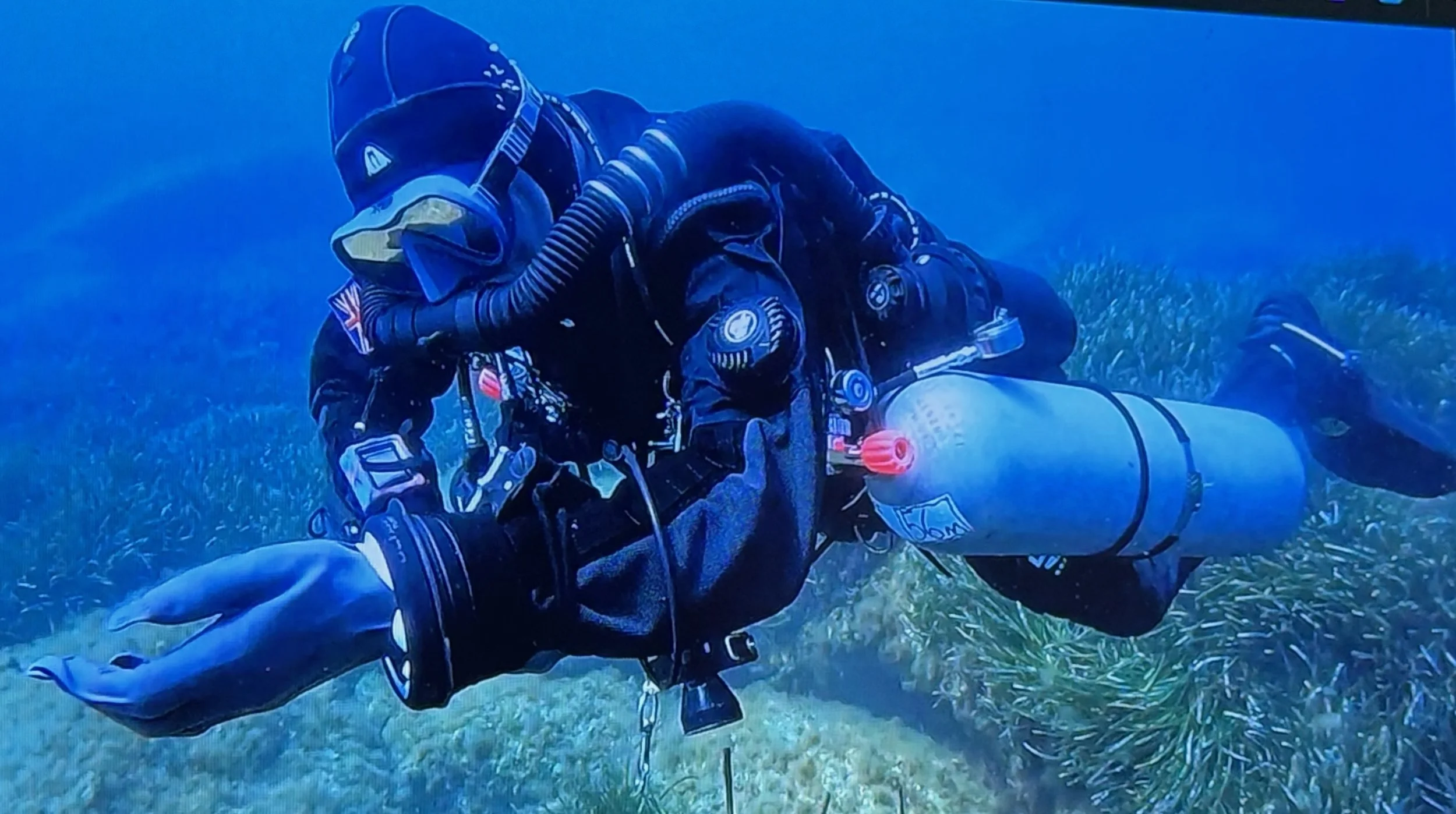
The Journey
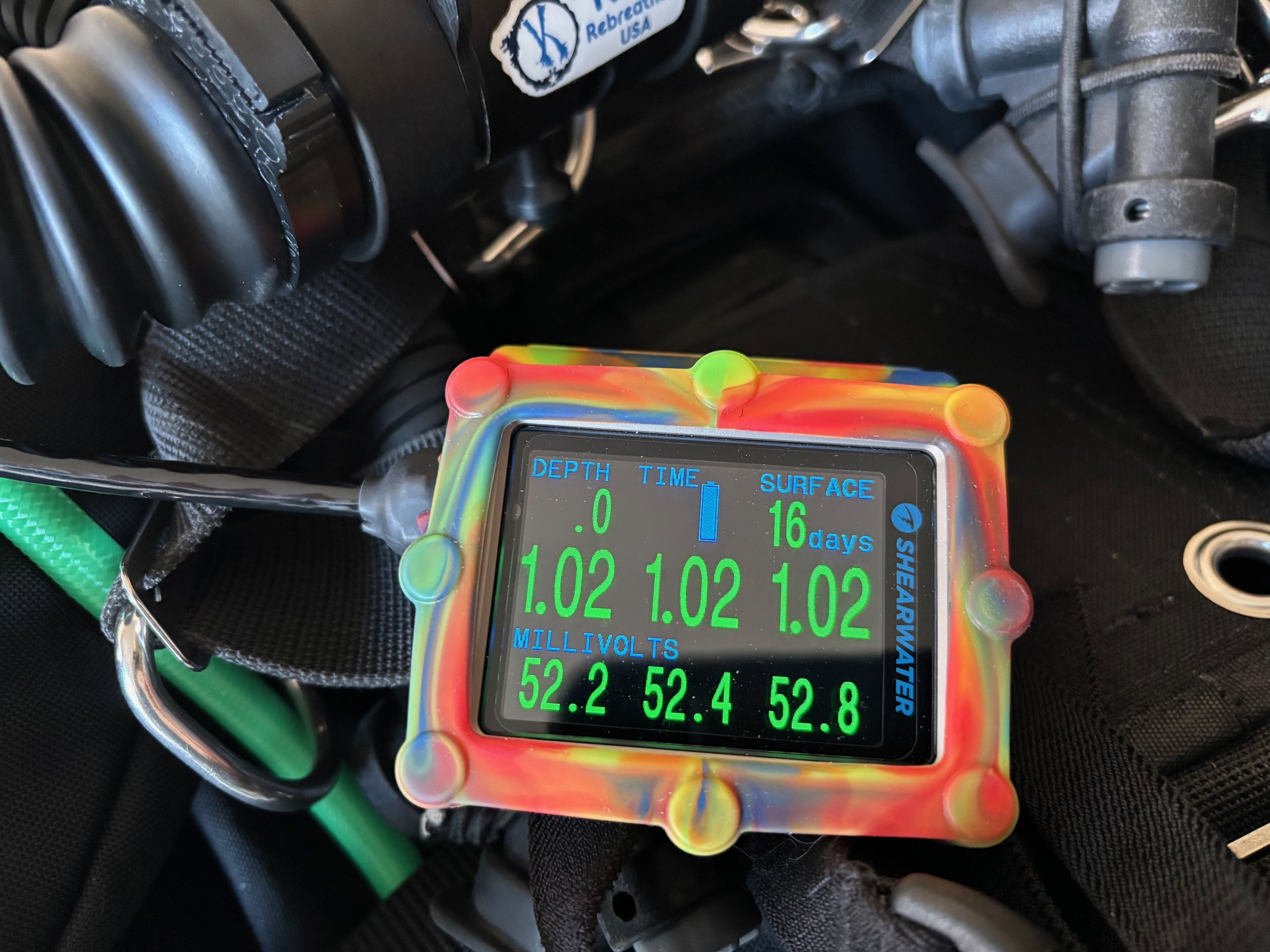
Shearwater Petrel 3 System Checks
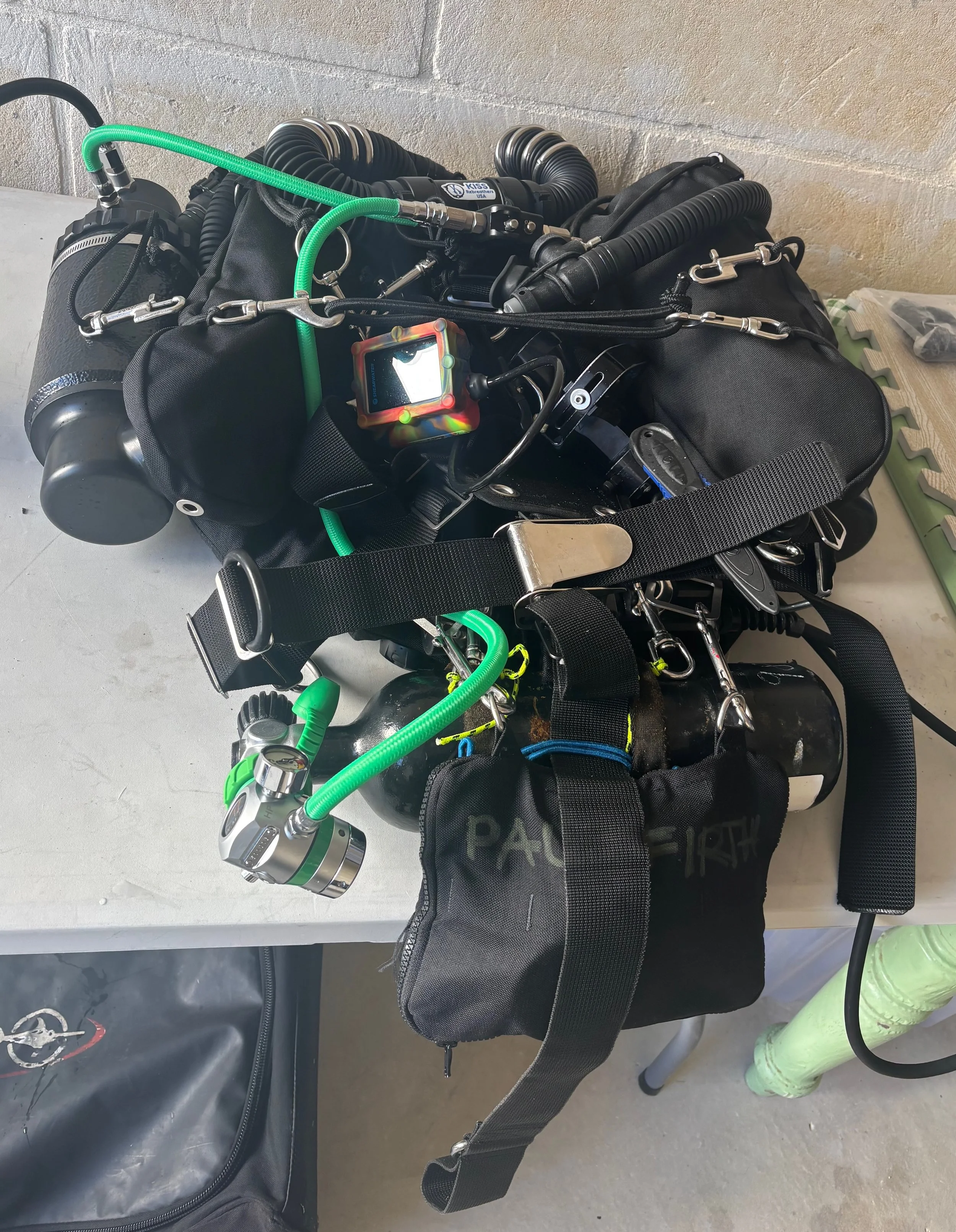
The KISS Sidewinder
As a PADI Course Director, I spend a massive amount of time in the water teaching, refining skills, and mentoring the next generation of scuba instructors. I know open-circuit scuba inside and out. But recently, I took a massive step out of my comfort zone and plunged into a completely different realm of diving: closed-circuit rebreathers (CCR).
Earlier this year I completed my initial training on the KISS Sidewinder rebreather, configured in sidemount, and integrated it directly with my existing Xdeep Stealth sidemount wing and Xdeep Seal Drysuit. It has been a profoundly eye-opening experience that completely redefined what underwater exploration means to me.
Stepping Into the True "World of Silence"
The first thing that hits you when you take your first few breaths on a rebreather is the absolute, eerie silence.
The Bubble-Free Shock: For my entire career, diving has been accompanied by the constant, rhythmic hiss-and-roar of an open-circuit regulator and the reassuring rush of bubbles past my ears. On the Sidewinder, there are no bubbles. None.
An Intimate Soundtrack: Suddenly, the underwater world changes. You can hear the reef crunching, fish feeding, and the faint, rhythmic sound of your own counterlungs shifting. It is an incredibly surreal experience that makes you feel like an actual part of the marine environment rather than a noisy visitor.
The Comfort of the Xdeep Wing: Transitioning to CCR is mentally taxing, so I wanted to keep as many variables familiar as possible. Merging the KISS Sidewinder with my trusted Xdeep Stealth setup was a dream. The harness and wing still provided the exact same streamlined profile, stable trim, and effortless flexibility I’ve grown to love over hundreds of hours of open-circuit sidemount diving.
Achieving the 30 Metre Qualification
Relearning how to dive can be a humbling experience for an instructor trainer. Rebreather diving turns buoyancy control on its head. On open circuit, you use your lungs for minor depth adjustments; on a CCR, your lung volume stays constant within the loop, meaning buoyancy must be controlled entirely through your wing, drysuit, and precise counterlung management.
Air Diluent Certified: Through rigorous drills, emergency bail-out scenarios, and system monitoring, I successfully earned my certification to 30 metres using an air diluent.
Rewiring the Brain: Monitoring a dynamic partial pressure of oxygen, watching the oxygen displays on my Shearwater Petrel 3 hardwired diving computer, managing manual additions, and tracking the scrubber life requires a completely different cognitive checklist than traditional scuba. Every dive felt like a beautiful exercise in hyper-awareness.
The Road Ahead
Getting certified to 30 metres is just the passport to begin the real work. For me, this is the start of an exciting new technical diving chapter.
Building the Hours: Right now, my focus is entirely on logging hours and building deep muscle memory. I need to make switching to a bailout regulator, flushing the loop, and managing system errors as instinctive as clearing a mask.
Eyes on Decompression: This initial milestone is the foundation. I am steadily building my logbook hours to progress toward my Decompression qualification. Extending my bottom times and exploring deeper environments without the logistical constraints of open-circuit gas management is the ultimate goal.
Stepping down from the role of the expert instructor to become a student again has been incredibly refreshing. The KISS Sidewinder has completely unlocked a new passion for the sport, and I can't wait to see where this silent journey takes me…